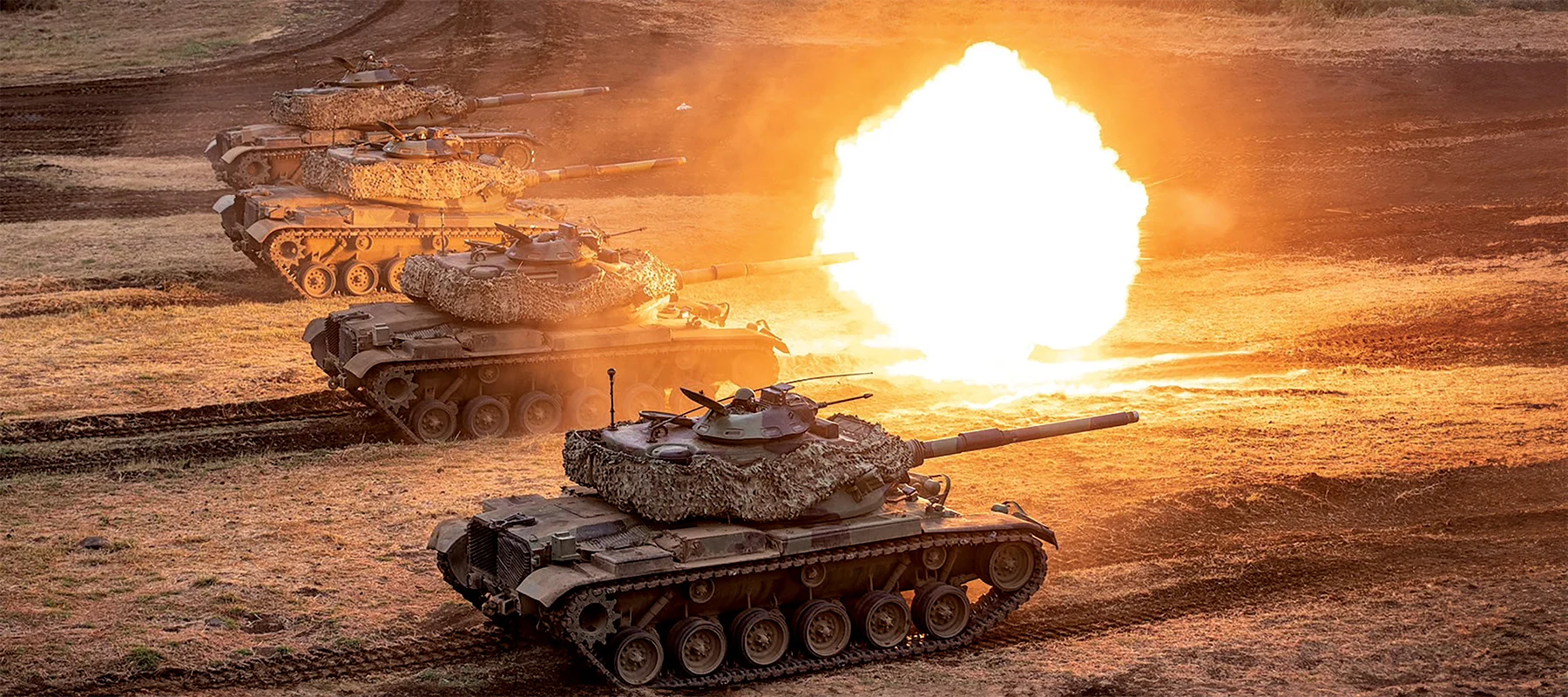
War serves as a relentless tide, sweeping across the landscape of history, reshaping cultures and societies with each surge. This tumultuous force has not only dismantled empires but also catalyzed the emergence of new nations, leaving behind a complex tapestry of human experience. Each conflict has been a crucible, testing the mettle of leaders and the resilience of ordinary people, as they navigated the treacherous waters of survival and ambition.
The repercussions of these historical conflicts resonate far beyond the battlefields, influencing political ideologies, social structures, and even the arts. From the ashes of destruction, innovative ideas and movements often arise, reflecting humanity’s capacity for renewal. The legacies of these wars are woven into the fabric of our collective memory, reminding us of both the fragility and strength inherent in the human condition.

Source: Google Images
As we delve into these pivotal moments, we must recognize that they are not merely events frozen in time, they are dynamic narratives that continue to shape our understanding of identity and power. The struggles and sacrifices made during these wars serve as cautionary tales, urging us to learn from the past while striving for a more harmonious future. In this exploration, we unveil not just the conflicts themselves, but the profound transformations they ignited, revealing the enduring impact they have on our lives today.
The First World War
A colossal storm swept across Europe from 1914 to 1918, reshaping the landscape of nations and ideologies. This cataclysmic clash of empires unleashed unprecedented levels of destruction, marking a profound turning point in human history. The war raged like a relentless tide, swallowing countless lives and leaving deep scars on the fabric of society.
As the dust settled, the remnants of four major empires lay in ruins, their once mighty structures crumbling under the weight of defeat. The German, Austro Hungarian, Ottoman, and Russian empires, once symbols of power, found themselves dismantled, giving rise to new nations and shifting alliances. This upheaval sowed the seeds of discord, setting the stage for future conflicts that would continue to reverberate through the decades.
The war also transformed societal norms, as traditional roles were challenged and reshaped by the demands of the battlefield. Men and women alike were thrust into new realities, altering the course of their lives and the expectations of their societies. The sacrifices made on the front lines were mirrored by those at home, as communities united in their grief and resilience, forming a tapestry of shared experience.
In the aftermath, the Treaty of Versailles emerged as both a resolution and a precursor to future strife, imposing harsh penalties that would fester in the hearts of nations. The fragile peace established after this tumultuous chapter was merely a pause in the ongoing saga of human conflict. Thus, the echoes of this monumental war continue to resonate, reminding us that the legacy of such upheaval is far reaching, often leading to new struggles in the quest for stability and peace.
The Thirty Years’ War
The brutal conflict that engulfed Europe during the 17th century reshaped the landscape of international relations, marking a pivotal turn in how nations interacted with one another. It was a cataclysm, a tempest that swept through the continent, leaving devastation in its wake and altering the very fabric of society. As rival factions clashed, the struggle transcended mere territorial disputes, evolving into a profound confrontation between religious and political ideologies.
The aftermath of this violent struggle was not merely a series of treaties but a foundational shift in governance and diplomacy. The Peace of Westphalia emerged as a beacon of resolution, laying down principles of national sovereignty that continue to influence global politics. It was a moment when the chaos of conflict gave way to the fragile peace of negotiation, establishing a framework for the modern state system.
In the shadow of this war, the notion of statehood evolved into a defined entity, granting nations the autonomy to govern themselves free from external interference. This newly forged concept of sovereignty became the cornerstone of international law and diplomacy, igniting a transformation that would resonate through the ages. The legacy of this tumultuous chapter serves as a reminder of the delicate balance between power and stability, illustrating how the echoes of past conflicts can shape the present and future.
Thus, the war not only marked a historical milestone but also set the stage for the intricate dance of diplomacy that characterizes our world today, where nations strive to maintain their sovereignty while navigating the complexities of international relations.
The Cold War
In the aftermath of World War II, two superpowers emerged, casting long shadows over the geopolitical landscape. This period marked a confrontation not marked by traditional battlefields but by ideological clashes and covert operations, where the struggle for supremacy unfolded in the minds and hearts of nations. The United States and the Soviet Union, representing capitalism and communism, respectively, engaged in a fierce competition that transcended military might.
As the world watched anxiously, the space race became a defining feature of this era, symbolizing technological prowess and ideological superiority. The launch of Sputnik ignited a fervor in the United States, prompting an unprecedented investment in science and education, as both nations sought to assert their dominance beyond the Earth’s atmosphere. This competition extended into the cultural realm, where media and art reflected the stark divisions and aspirations of people living under the weight of this global rivalry.
Ultimately, the Cold War reshaped international relations, forging alliances and animosities that have persisted into the present day. Its legacy serves as a reminder of the intricate dance of power, where the battlefield is often a stage for ideas rather than armies, revealing the profound impact of ideological warfare on global stability and cooperation.
Conclusion: History’s Unsettling Echoes
The reverberations of past conflicts resonate through the corridors of time, shaping our contemporary landscape in ways both profound and unsettling. Each war has left behind a tapestry woven with threads of human experience, echoing lessons of resilience, sacrifice, and the perpetual struggle for peace. As we navigate the complexities of our modern existence, it becomes increasingly vital to grasp the intricate connections between these historical upheavals and the societal structures we inhabit today.
In reflecting on the past, we confront a mirror that reveals not only the triumphs but also the tragedies that have molded our collective consciousness. The shadows of previous battles linger, reminding us of the fragility of civilization, the price of freedom, and the enduring quest for stability. By examining these unsettling echoes, we can better comprehend the motivations that drive current conflicts, fostering a deeper understanding of the human condition.
Ultimately, the lessons drawn from history’s tumultuous chapters serve as both a warning and a guide. They compel us to seek avenues for dialogue, empathy, and reconciliation in a world often fraught with division. In recognizing the cyclical nature of these echoes, we are urged to break the patterns of violence, striving instead towards a future where the scars of war give way to the promise of lasting peace.
Frequently Asked Questions (FAQ)
Q: What is considered the deadliest war in history?
The deadliest war in history is World War II, which resulted in an estimated 70-85 million fatalities, including both military personnel and civilians. The immense scale of the conflict, which lasted from 1939 to 1945, involved numerous countries and was marked by significant events such as the Holocaust and the use of atomic bombs.
Q: How do wars accelerate technological development?
Wars often lead to rapid technological advancements due to the urgent need for improved weapons, communication, and logistics. The intense competition and funding during wartime drive innovation, leading to breakthroughs in various fields, such as medicine, aviation, and electronics. Many technologies developed for military purposes later find civilian applications.
Q: What defines a ‘proxy war’?
A proxy war is a conflict where two opposing countries or parties support combatants that serve their interests instead of waging war directly against each other. This often involves providing financial aid, military support, or political backing to local factions or groups, allowing the external powers to influence the outcome without direct involvement.
Leave a Reply