Did you know that the Golkar Party, once the backbone of Indonesia’s New Order regime, has transformed into one of the key players in the nation’s democratic landscape? As it navigates the complexities of modern politics, the question remains: can Golkar redefine its legacy and regain its influential status in an era marked by political pluralism?
Golkar, established in the tumultuous political landscape of Indonesia, has been a significant force shaping the nation’s governance and policies. As one of the oldest political parties in the country, it carries a legacy intertwined with both the authoritarian past and the democratic aspirations of modern Indonesia. Understanding Golkar’s evolution is crucial for grasping the shifting dynamics of Indonesian politics, especially as it strives to adapt to the demands of a more pluralistic society. In this article, readers will gain insights into Golkar’s historical context, its current challenges, and the potential paths it may take to redefine its role in the future political arena.
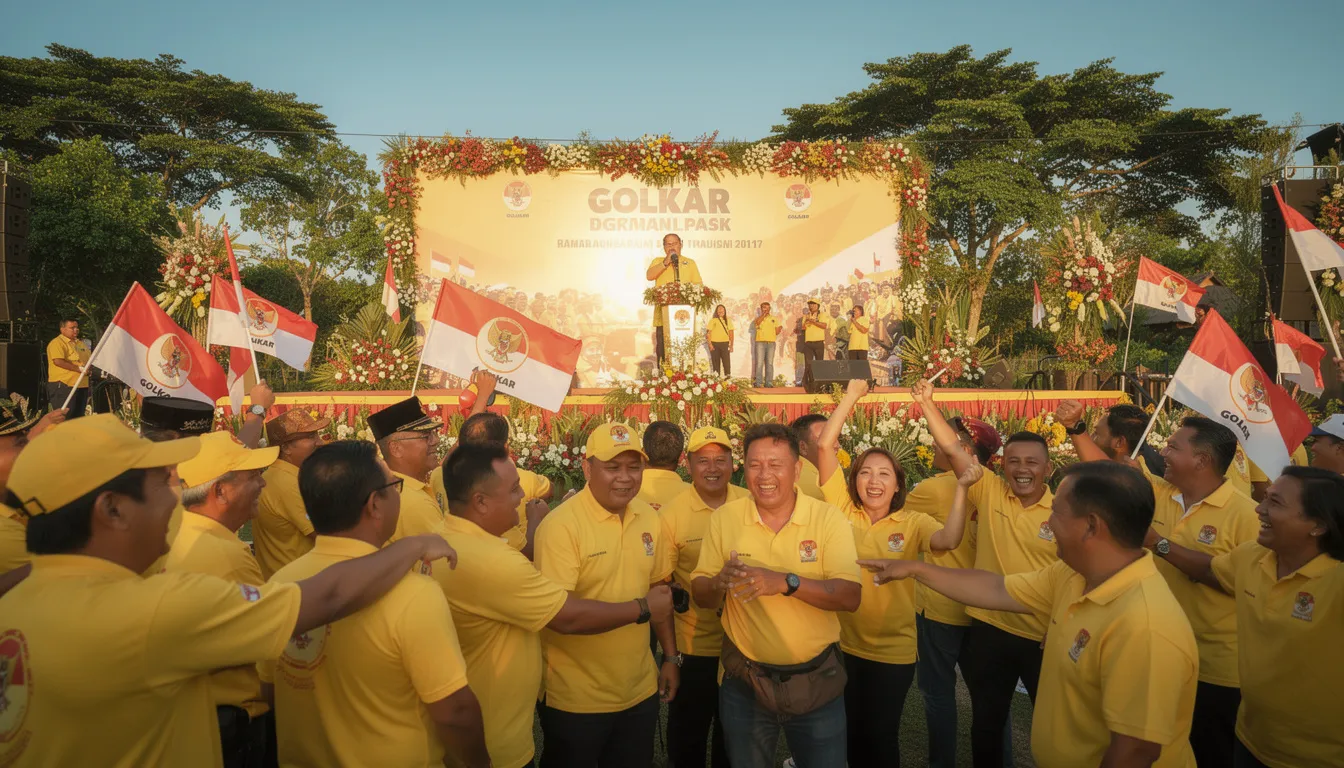
Navigating Change: Golkar’s Quest for Relevance
As Golkar seeks to reaffirm its position in Indonesian politics, one significant aspect is its approach to youth engagement. Recognizing the critical role that younger voters play in shaping electoral outcomes, the party has initiated various programs aimed at attracting this demographic. For instance, Golkar has launched platforms that prioritize issues such as job creation, education reform, and digital innovation, resonating with the aspirations of young Indonesians. By fostering a connection with this vital group, Golkar aims not only to revitalize its image but also to ensure its policies reflect the evolving needs of the nation. This strategy could be pivotal in re establishing Golkar as a relevant and influential political force.
Reimagining Golkar: From Legacy to Modernity
Golkar’s efforts to engage with the youth extend beyond mere outreach, they also involve leveraging technology and social media platforms that resonate with younger voters. By creating interactive campaigns and utilizing influencers, the party aims to foster a sense of belonging among the youth, encouraging them to participate actively in politics. For instance, Golkar has launched initiatives that promote discussions on pressing issues such as climate change and economic opportunities, which are particularly relevant to younger generations. Through these strategies, Golkar not only seeks to revitalize its image but also to build a future oriented platform that aligns with the aspirations of Indonesia’s youth.
Reimagining Golkar: Embracing Modern Politics
Golkar’s adaptation to the digital age is another crucial aspect of its strategy to maintain relevance. The party has increasingly leveraged social media platforms to engage with constituents, particularly the youth. By utilizing targeted campaigns and interactive content, Golkar aims to foster a sense of community and participation among younger voters. For instance, their initiatives often include online discussions and live Q&A sessions with party leaders, allowing for direct communication and feedback. This shift not only enhances Golkar’s visibility but also aligns the party with the evolving political engagement methods favored by the younger generation, thereby revitalizing its image and outreach efforts.
As Golkar navigates the complexities of modern Indonesian politics, its ability to adapt and engage with the electorate will be vital for its survival and relevance. The party stands at a crossroads, with the potential to redefine its legacy and emerge as a key player in the democratic landscape. Ultimately, Golkar’s future will depend on its willingness to embrace change while honoring its historical roots, ensuring that it resonates with both traditional supporters and the younger generation of voters.
Q: What is the Golkar Party in Indonesia?
A: The Golkar Party, officially known as the Partai Golongan Karya, is one of the major political parties in Indonesia, founded in 1964, originally as a vehicle for the New Order regime. It focuses on promoting economic development and has historically been associated with the military and business sectors.
Q: Who are the current leaders of the Golkar Party?
A: The current chairman of the Golkar Party is Airlangga Hartarto, who has held the position since December 2019. The party’s leadership structure includes various boards and councils that oversee its operations and strategies.
Q: What are the main goals of the Golkar Party?
A: The Golkar Party aims to promote national development, uphold democracy, and enhance social welfare in Indonesia. It focuses on economic growth, infrastructure development, and improving the quality of life for its citizens.
As Golkar continues to evolve in the face of modern political challenges, your voice matters. Join the movement to influence Indonesia’s democratic future by engaging with Golkar and staying informed about its initiatives. Visit the official Golkar website today to learn how you can participate in shaping the party’s next chapter and contribute to a more inclusive political landscape.
Sources
1. Data Golkar Terbaru dan Terupdate – Databoks
2. admin – Partai Golongan Karya
3. Daftar Lengkap Pengurus Golkar, Tak Ada Jokowi – Nasional
4. Partai Golongan Karya – Situs Resmi Partai Golkar
5. Golkar – Informasi Cerdas Untuk Generasi Emas – Obor Keadilan
Leave a Reply