Did you know that Rusa deer, with their strikingly unique coat patterns, can adapt to various habitats, from dense forests to grasslands? These remarkable creatures not only showcase an impressive range of physical diversity but also play a crucial role in their ecosystems, influencing vegetation patterns and serving as prey for larger predators.
Rusa deer are not just fascinating for their appearance, they also play a vital role in their habitats. Their foraging habits help maintain the balance of the ecosystems they inhabit, influencing plant diversity and promoting healthy growth of vegetation. Additionally, Rusa deer contribute to the food web, supporting various predators and scavengers. Understanding these dynamics not only highlights the importance of Rusa deer in their environment but also emphasizes the need for conservation efforts. By learning about their behaviors and habitats, readers can appreciate the intricate connections within ecosystems and the significance of protecting these remarkable animals and their surroundings.
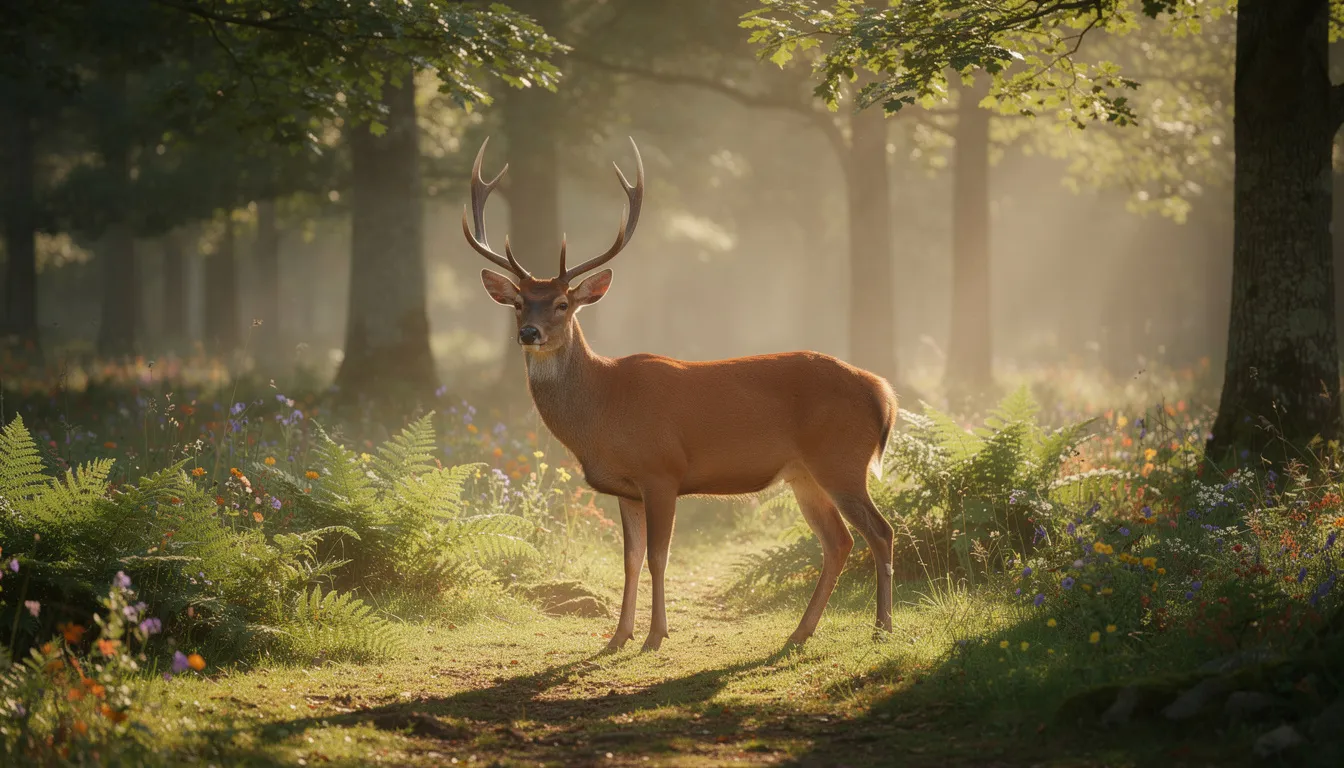
Uncovering the Mysteries of Rusa Deer Behavior
Rusa deer exhibit a fascinating social structure, often forming small herds that provide them with protection and social interaction. These groups typically consist of females and their young, while males may join during the mating season. The social dynamics within these herds are essential for communication and establishing hierarchies, helping to ensure the survival of the group. Vocalizations, body language, and scent marking play crucial roles in maintaining these social bonds and alerting members to potential threats. This complex behavior not only aids in individual survival but also enhances the cohesion of the herd, allowing Rusa deer to thrive in their diverse habitats.
Exploring Rusa Deer’s Unique Adaptations
Rusa deer are known for their remarkable adaptability, particularly in their feeding strategies. They are primarily browsers, favoring leaves, fruits, and young shoots, which allows them to thrive in various environments. Interestingly, Rusa deer exhibit a seasonal variation in their diet, shifting their preferences based on the availability of food sources. For instance, during the rainy season, they may consume more grasses, while in drier periods, they rely heavily on shrubs and trees. This flexibility not only aids their survival but also helps shape the vegetation in their habitats, promoting biodiversity by preventing any single species from dominating the landscape.
The Ecological Importance of Rusa Deer
Rusa deer are known for their unique vocalizations, which serve as a critical form of communication within herds. These sounds can vary depending on the context, such as mating calls, alarms, or social interactions. For instance, during the mating season, males produce deep, resonant calls to attract females and establish dominance over other males. Interestingly, these vocalizations not only help maintain social bonds within the herd but also alert members to potential threats, showcasing the importance of sound in their survival strategy. Understanding these acoustic behaviors provides deeper insight into the social dynamics and environmental adaptations of Rusa deer.
In conclusion, Rusa deer are not merely captivating due to their physical characteristics, they are integral to the ecosystems they inhabit. Their behaviors and social structures highlight the intricate balance of nature, serving as both consumers and prey within their environments. As we continue to explore the depths of their significance, it becomes increasingly clear that safeguarding these animals and their habitats is essential for maintaining ecological harmony. Recognizing the interconnectedness of all species can inspire more robust conservation efforts, ensuring that both Rusa deer and the rich biodiversity they support endure for generations to come.
Q: What is a Rusa deer?
A: Rusa deer, also known as the sambar deer, is a species native to the Indian subcontinent, Southeast Asia, and Australia, characterized by its large size and distinctive antlers.
Q: What do Rusa deer eat?
A: Rusa deer are herbivores, primarily feeding on grass, leaves, and fruits, and they prefer areas with dense vegetation for foraging.
Q: Are Rusa deer social animals?
A: Yes, Rusa deer are generally social animals, often found in small groups or herds, especially during the mating season when males compete for females.
Rusa deer are extraordinary animals that deserve our attention and protection. By supporting conservation initiatives and educating ourselves about their habitats and behaviors, we can play a part in preserving these magnificent creatures for future generations. Join the movement to safeguard Rusa deer and contribute to a thriving ecosystem by exploring local wildlife programs or participating in awareness campaigns. Your involvement can make a significant difference!
Sources
1. Berita Terkini Harian Fakta Fakta Rusa Terbaru Hari Ini – Kompas.com
2. Rusa Dengan Beberapa Fakta Menariknya – RRI.co.id
3. [VETPEDIA : Fakta Unik tentang Rusa yang Jarang … – Instagram
4. Ini Fakta Luar Biasa dan Menarik Tentang Rusa – beritajatim.com
5. Fakta Menarik dan Keunikan Rusa yang Wajib Kamu Tahu!