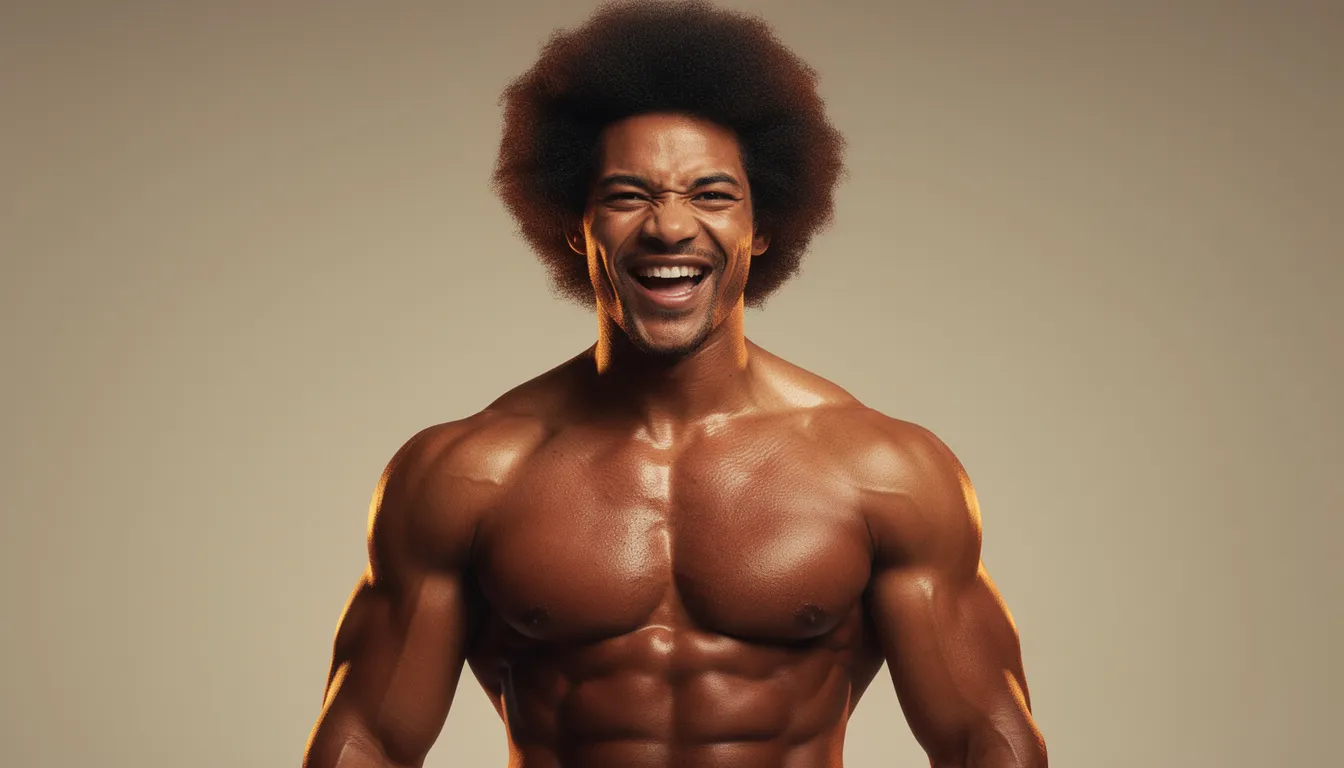
Content Section: Papa Bobobo and Bo Jackson Connection
Papa Zola’s character embodies a particular kind of heroism that shares surprising parallels with the athletic philosophy represented by Bo Jackson, a figure known for defying conventional boundaries and mastering multiple disciplines simultaneously. Just as Bo Jackson became legendary for his dual excellence in both professional baseball and football, Papa Zola demonstrates versatility that extends beyond a single role within the BoBoiBoy universe. He functions as a game warrior, a father figure in his own animated series “Papa Pipi”, and an active participant in the larger narrative ecosystem of BoBoiBoy Galaxy. This multifaceted approach to character development reflects a modern understanding of what it means to be a hero, not someone confined to a single skill set or responsibility, but rather someone capable of adapting and excelling across different contexts and challenges.
The significance of Papa Zola’s involvement in the dream realm confrontation alongside BoBoiBoy and Gopal reveals something crucial about his position within the story’s hierarchy. When these characters faced the Sleep Giant and Adu Du’s traps within the dream world, Papa Zola’s participation wasn’t peripheral, it was essential to their survival and escape. This mirrors the kind of impact Bo Jackson had on his teams, his presence fundamentally altered the dynamics of competition. Similarly, Papa Zola’s presence in critical moments suggests that experience and tactical knowledge can be just as valuable as youthful energy or flashy powers. The dam game they had to navigate in that dream sequence required strategy, quick thinking, and the ability to work collaboratively under pressure. Papa Zola’s successful navigation of these challenges demonstrates that the BoBoiBoy narrative values wisdom and adaptability alongside the more obvious superhero abilities that drive the series’ action sequences.
Within the framework of “Papa Pipi”, Papa Zola’s character receives a different kind of spotlight that enriches his overall portrayal. Rather than existing solely as a supporting character in someone else’s story, he becomes the central figure around which an entire family oriented animated series revolves. His relationship with Pipi Zola, his daughter, forms the emotional core of this spin off, while characters like Mama Zila, Guru Warni, and the various community members create a rich social ecosystem. This approach to character development, giving secondary characters their own narrative space and agency, represents a sophisticated storytelling choice that elevates the entire BoBoiBoy franchise. It acknowledges that meaningful characters deserve more than cameo appearances, they deserve fully realized lives and relationships. The presence of supporting cast members such as Pak Mat, Pak Kumar, Uncle Yim, and the younger generation including Azroy, Vijay, Melur, and Chia creates a sense of community that grounds the more fantastical elements of the BoBoiBoy universe in relatable human experiences.
The thematic connection between Papa Zola’s character arc and broader ideas about mentorship and growth cannot be overlooked. Throughout his appearances in BoBoiBoy Galaxy and his own series, Papa Zola consistently demonstrates the qualities of someone who has lived, learned, and accumulated wisdom worth sharing. When he participates in adventures with BoBoiBoy, he often serves as a stabilizing force, not the flashiest combatant, but someone whose presence suggests experience and reliability. This echoes the way Bo Jackson, despite his eventual physical limitations, maintained cultural relevance through his representation of peak human performance and determination. Papa Zola’s role suggests that heroism isn’t exclusively the domain of the young and physically extraordinary, it also belongs to those who bring perspective, strategy, and emotional intelligence to their endeavors.
Papa Zola’s involvement in promotional activities for Indonesian animation, particularly his participation in supporting newer projects like Jumbo, reveals another dimension of his character’s significance within the broader entertainment landscape. By lending his presence and credibility to emerging animated properties, Papa Zola functions as a cultural ambassador of sorts, a character established enough to carry weight and recognition, yet generous enough to elevate other creators’ work. This kind of cross promotional cooperation strengthens the entire Indonesian animation industry and creates a sense of community among creators and fans. The fact that Papa Zola, through his “Papa Pipi” platform, actively engages in this kind of support demonstrates that his character exists not in isolation but as part of a larger ecosystem of storytelling and creative expression.
The movie related storyline involving Papa Zola in the context of BoBoiBoy Galaxy’s adaptation of the second season comic arc, particularly around Gurlatan’s narrative, suggests that his character has achieved sufficient depth and audience investment to warrant inclusion in major story developments. This elevation from side character to meaningful participant in cinematic narratives indicates that the creative team behind BoBoiBoy recognizes Papa Zola’s potential as a bridge between different storytelling mediums and audience expectations. When characters transition from comic panels to animated sequences to full length films, they undergo a kind of validation, their complexity and appeal have proven substantial enough to justify the additional resources and creative attention required for such adaptations. Papa Zola’s presence in these expanded narratives confirms his status as more than a peripheral figure, he is integral to the franchise’s continuing evolution.
The family dynamics explored through “Papa Pipi” also provide insight into how Papa Zola’s character serves pedagogical functions within the animated series’ broader mission. Family oriented animation often carries implicit lessons about values, conflict resolution, and emotional growth. Papa Zola’s role as a father navigating challenges, making decisions, and interacting with his daughter Pipi creates natural opportunities for viewers, particularly younger audiences, to observe and internalize healthy relationship models. The inclusion of diverse community members and the intergenerational interactions depicted in the series suggest that Papa Zola’s world is one where different ages, backgrounds, and perspectives coexist and contribute meaningfully to the social fabric. This inclusive approach to world building extends the franchise’s appeal beyond action adventure spectacle into the realm of social emotional learning.
Papa Zola’s character ultimately represents a particular evolution in how animated franchises develop their supporting cast. Rather than treating secondary characters as disposable or one dimensional, the BoBoiBoy universe has invested in Papa Zola’s development across multiple platforms and narrative contexts. His appearances in the main series, his starring role in “Papa Pipi”, his participation in critical story moments, and his involvement in franchise promotion all contribute to a rich, multifaceted character portrait. This approach, reminiscent of how Bo Jackson’s legacy transcends his athletic achievements to encompass broader cultural significance, demonstrates that animated characters can achieve depth and resonance when given genuine narrative space and creative attention. Papa Zola’s journey from side character to franchise ambassador illustrates how thoughtful character development can enhance an entire creative property while simultaneously enriching the viewing experience for audiences who encounter him across different media.